The individuals who helped establish Duck had a strong desire to put the community’s dreams into action.
“The intent of this section is to set standards for outdoor lighting at proper intensities so as to adequately serve the intended use and not unreasonably interfere with the use and enjoyment of neighboring properties. It is further intended that the standards shall preserve the visual beauty of the nighttime environment by reducing glare and maintaining the character and integrity of the coastal village.”
Town of Duck Ordinance 156.133 Outdoor Lighting
Who is ALAN?
ALAN isn’t so much as a “who”, but a “what”.
Artificial Light at Night (often referred to as ALAN) includes any human-made lighting used after sunset—such as streetlights, home exteriors, signage, or commercial lighting. While lighting plays an important role in creating safe and welcoming spaces, too much or poorly directed light can create glare, obscure our view of the stars, disrupt wildlife, and alter the natural character of the night.
WHY DARK SKIES MATTER
Wildlife Protection
Human Health
Energy Efficiency
Community Character
THE IMPORTANCE OF ARTIFICAL LIGHT FOR SAFETY AND SECURITY
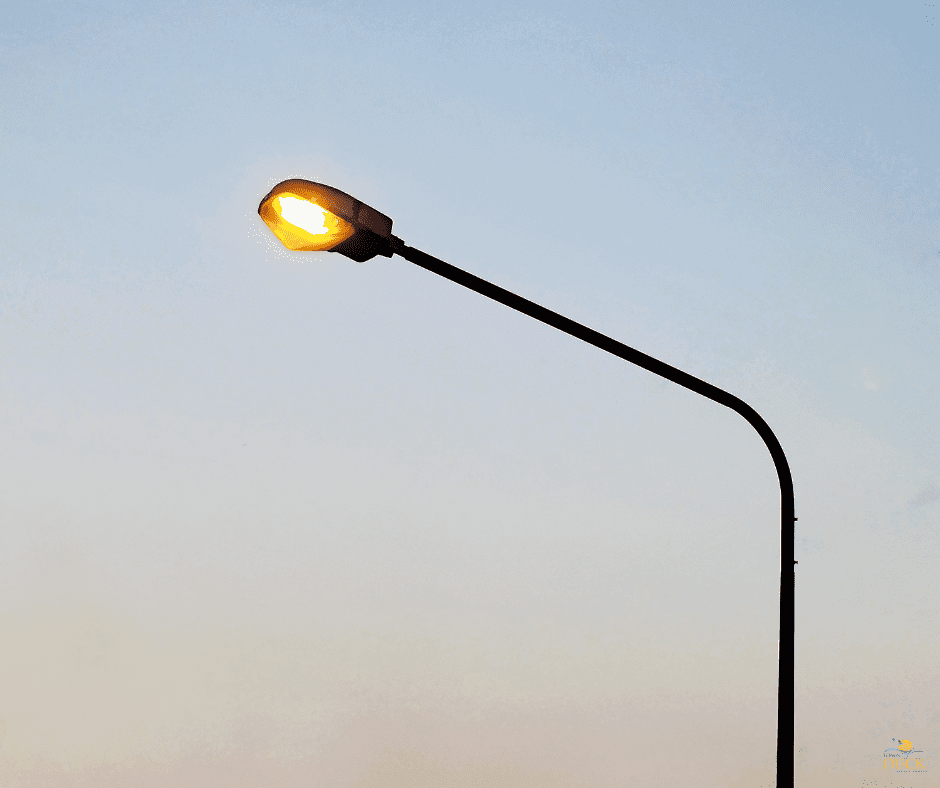
Artificial light at night (ALAN) plays an essential role in creating safe and secure environments. Well-placed lighting helps people navigate streets, sidewalks, and public spaces after dark, reducing the risk of trips, falls, and other accidents. It also increases visibility for drivers, cyclists, and pedestrians, lowering the likelihood of collisions.
From a security standpoint, thoughtful lighting can deter crime and give residents and visitors peace of mind. A well-lit entrance, parking area, or pathway helps people feel safer and can discourage unwanted activity by increasing visibility.
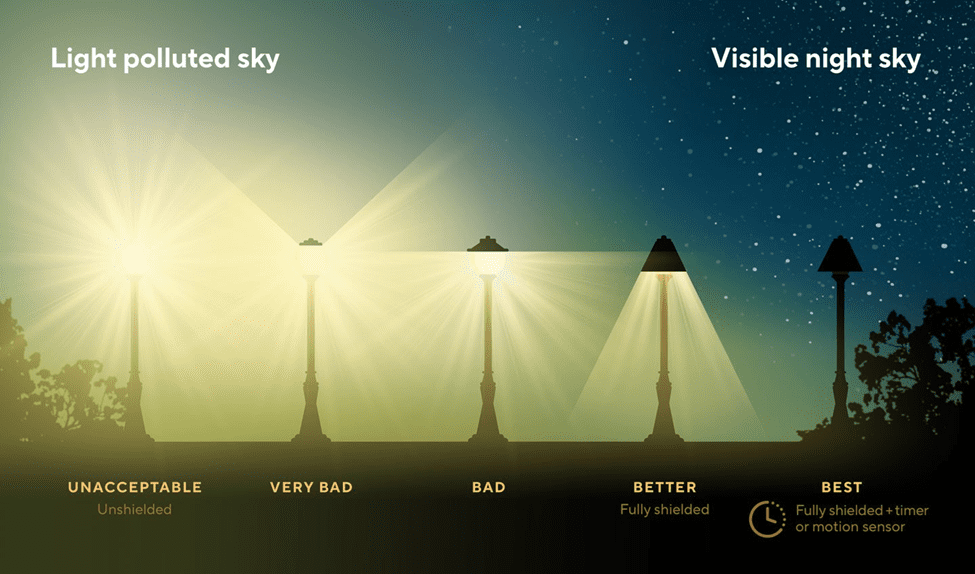
That said, not all lighting contributes to safety equally. Overly bright or poorly directed lights can actually cause glare, which reduces visibility and creates shadows where hazards may go unnoticed. By using the right intensity of light, directing it where it is needed, and incorporating features such as shielding, timers, or motion sensors, communities can achieve the dual goals of safety and security while minimizing negative impacts on neighbors, wildlife, and the night sky.
PRACTICAL WAYS TO SUPPORT DARK SKIES
- Use shielded or enclosed fixtures: Direct light downward to reduce skyglow and light trespass.
- Use motion sensors or timers: Lights only when you need them means less pollution and energy savings.
- Keep it purposeful: Use the minimum brightness necessary, opt for warm-colored lights, and close indoor curtains at night.
- Be neighborly: Remember that not everyone is a night owl. Turning lights off when not needed helps everyone enjoy the night.
- Think ahead in development: If you’re planning renovations or new construction, design with dark sky principles in mind.
We’re not asking you to remove your existing lights — just to be mindful of how they are used, in the spirit of the Town’s ordinance and community vision.
OUTDOOR LIGHTING SURVEY
The Town of Duck is now seeking your input to better understand how residents, property owners, and visitors experience artificial light at night. As our Town continues to grow and evolve, it is important to balance safety, livability, and environmental stewardship. Your feedback will guide future objectives related to outdoor lighting, which may include adjustments to existing ordinances, while ensuring that we preserve Duck’s natural beauty and nighttime character.
- The survey includes 13 quick questions
- It takes only a few minutes to complete
- Responses will help shape future lighting policies and practices
LOOKING AHEAD
As we enter our third decade as a community, Duck continues to uphold the vision of its founders: a vibrant, livable, and environmentally responsible town. The dark sky initiative is a natural extension of that vision.
If you have questions or concerns about dark sky principles , please reach out to Sandy Cross or Jim Gould in the Community Development Department.
Together, we can keep the community’s dream alive and see Duck’s nighttime skies shine for generations to come.